Here's a nice detailed research paper on the problems with microplastics:
> "Today, it is an issue of increasing scientific concern because these microparticles due to their small size are easily accessible to a wide range of aquatic organisms and ultimately transferred along food web. The chronic biological effects in marine organisms results due to accumulation of microplastics in their cells and tissues. The potential hazardous effects on humans by alternate ingestion of microparticles can cause alteration in chromosomes which lead to infertility, obesity, and cancer. (2018)"
You can get it at sci-hub_se just enter this title in the search box: "Microplastic pollution, a threat to marine ecosystem and human health: a short review"
For a broader discussion on the continuing issue of environmental toxins accumulating in human beings, more pop-sci:
> "Yet even though many health statistics have been improving over the past few decades, a few illnesses are rising mysteriously. From the early 1980s through the late 1990s, autism increased tenfold; from the early 1970s through the mid-1990s, one type of leukemia was up 62 percent, male birth defects doubled, and childhood brain cancer was up 40 percent. Some experts suspect a link to the man-made chemicals that pervade our food, water, and air. There's little firm evidence. But over the years, one chemical after another that was thought to be harmless turned out otherwise once the facts were in."
Note however that US academic institutions basically cut all research into these subjects due to political and industrial pressure. It started with Republican attacks on USGS funding for environmental pollution research in the early 1990s, and continued with NIH cutting funding for environmental carcinogen research in favor of inheritied genetic explanations for cancer. Hence, 'little firm evidence'.
Thank you for posting this. Those numbers scary?! Does anyone know if these have kept increasing?
I wonder if some of the gender and queer issues in kids these days are actually because of this issue, same with other pathologies that sometimes require medication like ADHD/Autism.
I'm saying that only from a place of love - as i've always always felt "wrong" in some aspects myself, and have always wondered if increased diagnosis is because of natural biological types getting recognised, because of industry pressure to sell more medication, or because of pollution or lifestyle.
I think at least some of the rise in ADHD/Autism is from been getting better at diagnosing these conditions and general awareness. Same with queer issues, they've been around forever but until recently it has been pushed out of the social consciousness so it was a lot more hidden.
I don’t think it’s radical to suggest that modern technology, society, diet, and culture are making people sick, both mentally and physically.
We know that people in history have had conditions like Autism. However even in the present day there are stark differences in prevalence in different regions of the world with modern healthcare systems (Japan, for example).
Diagnosis of anything mental is inherently cultural and will be seen through subjective lenses. I would be very surprised if autism rates were truly different across the world. If so, then that would provide a good basis to compare populations to get at the root.
Given we might not have data from the past about the prevalence of ADHD, is it safe to assume we'll never know if mircoparticles and other things we introduce into the environment are the cause of these issues?
I love this article - I knew someone very closely who had “severe ADHD” quotes because in certain things - such as tracking - they were intensely focused and effective. The more time outside they spent , the better they seemed. They eventually found a position with the game commission that overall seemed to work well for them.
They weren’t able to stay focused on nearly anything outside of nature, excluding things that brought them anxiety.
However , this is anecdotal. They were before that able to run a semi successful cleaning business for rental properties, with the main issue being paperwork related.
Oh, I feel this. I have ADHD and I can focus on ANYTHING, but I don't get to choose what to focus on. Some days, my body decides I get to focus on Jira - and then my Jira board gets ALL my attention. Some days, I learn a LOT about data governance or clearing out old emails.
The hardest part of ADHD is to STOP focusing on one thing so I can START focusing on the right thing.
ADHD, High Functioning Autism all have traits which can benefit the hunter-gather lifestyles of the past. Thing is today, some countries like the UK have adopted a stealth war on these traits in some individuals seen with things like transgender promotion or turning a blind eye to more physical forms of abuse often seen in schools. In some case's autistics have been locked up for decades under the guise of mental health reasons which is just prison without trial with forced psych med ingestion and if you dont comply because med staff know best and have the pieces of paper to authorise them, you cant challenge them otherwise you get bullying both mental and physical from NHS staff. Rare cases have been documented in the news, but its just the tip of the iceberg of stuff going on behind closed doors. Society, the legal system is generally complicit when looking at interpretations of law and how little light is shed on these matters.
I'm not speaking to the veracity of any of this, but Dr. Shanna Swan has researched this pretty extensively (and written papers).
What we're seeing since the beginning of petrochemical use in the US (50's) are clear physiology changes (specifically in males) where we're seeing a reduction in physical traits associated with being a biological male of the species.
"But a new study says that even if they don't contain BPA, most plastic products release estrogenic chemicals. Most plastic products, from sippy cups to food wraps, can release chemicals that act like the sex hormone estrogen, according to a study in Environmental Health Perspectives." [1]
Well, let's think about this. If estrogens or xenoestrogens were at levels in food and drink that they were changing the bodies of young men, what you would see is distress as their body shifts away from their assigned gender. I do not see what about that would lead them to think they are transgender.
Far from distress, the rate of dissatisfaction trans people after hormonal transition is very low and is most often driven by external factors. https://www.gendergp.com/detransition-facts/
I do not see how plastics are a convincing explanation for current social trends.
Why would there be distress? If you went through a microplastic influenced childhood and puberty you would never know if your masculine traits were as pronounced as they could have been, as you only have your self to compare to.
Also, these sorts of studies generally look at changes at the population level - an individual won't suddenly wake up with a gender crisis from plastic exposure.
“ What’s surprising, in light of all these quotes, is that the kids who took puberty blockers or hormones experienced no statistically significant mental health improvement during the study. The claim that they did improve, which was presented to the public in the study itself, in publicity materials, and on social media (repeatedly) by one of the authors, is false.”
I don't have the time to dive deep into this article, but I would not be surprised if there were wasn't enough evidence at 12 months. It's a process which takes years, as with puberty itself.
The TLDR is that there are several issues with the study methods which are apparent from available materials (and probably even more apparent from the actual study data which has been withheld by the authors). The cohort that received gender affirming care over the twelve months showed no improvement over baseline, while the control cohort deteriorated into even higher levels of depression/anxiety/suicidality. Instead of looking at the treatment group and saying "there has been no improvement", they compared it to the control and said "they haven't deteriorated like these people have."
Unfortunately, the vast majority of the control cohort simply stopped responding to the survey over 12 months, so there is no end to potential confounding factors causing children (who for all we know elected not to receive gender affirming care to begin with) to stop responding to a survey issued by a gender clinic, or the confounding factors that caused the others not receiving treatment to remain in the study.
I've seen this argument many times and these same sets of studies referenced, yet never is it mentioned that the recorded results are absolutely not single variable measurable items. There are nearly infinite alternative explanations for both sides of the argument, if you are clever enough to break free of the desired outcome bias.
The article touches a little bit about how responses to a 0-27 point depression questionnaire are coded as 0 or 1, 1 being "has moderate to severe depression" and 0 being "does not have moderate to severe depression" at a threshold of 10 points or higher. Similar situation for suicidality. Instead of tracking the actual point changes across the 12 months, they just tracked the pooled percentages of 0 vs. 1.
I looked at a few of the surveys cited, and they all questioned transgendered people, which automatically omits those who detransitioned and stay detransitioned:
>>The way this question is written makes it very clear that they were primarily expecting to get answers related to “pressure” and what are sometimes called “external factors.” Of the options given, only one option is clearly an internal factor (“I realized that gender transition was not for me”).
>>However, the primary reason that this survey cannot be used to draw conclusions about the number of people detransitioning and their motives is because the 2015 US Transgender Survey was distributed amongst the trans community. It didn’t seek responses from people who detransitioned and never reidentified as transgender.
I’m happy to read a study that has real data, but any conclusions we draw from things like this has to also explain the fact that in a vast array of areas where we have access to objective metrics like strength, speed, and general athleticism, records are set most years and there’s no sign of a “dead ball” era in sports across the board. This includes sports where people are heavily tested. Cycling is maybe the one example, but that’s probably as much the absence of doping (or less effective doping) as it is a diminishing innate biological capability.
Only a subset of the population is athletic. Those that are breaking records have been training for a significant amount of time.
Also I think we’re rediscovering the power of breath work on performance - as exemplified in the constant record beating times occurring particularly in swimming competitions.
"In 1985, men ages 20-24 had an average right-handed grip of 121 pounds and left-handed grip of 105 pounds. Today, men that age had grips of only 101 and 99 pounds, the study found. Men 25-29 posted losses of 26 and 19 pounds."
Even if Alex Jones is right, even if he was right all along, people are conditioned by the media to believe a narrative. Because the presenter of the information is not presenting the information in an appealing way, the information (false or true) is assigned the status of “unappealing”.
Don’t have faith in anyone admitting anyone is right or wrong.
I'm approaching this subject from a place of ignorance. A cursory Google of Shanna Swan, and a glance through her Wiki page, don't suggest a relationship to "far-right rabbit holes", just a lot of coverage of her work on left-leaning sites such as GQ, The Guardian, NYTimes, etc.. I also tend to observe that many (especially older) far-right folk are very pro-petrochemical, whereas she appears to be strongly the opposite.
I guess I'm just having trouble squaring your comment away; can you elaborate/clarify your caution as it applies to Swan?
Theories about "decline of maleness", great replacement theory, "decline of western civilization", are all very linked to this sort of stuff. Granted, that is very possibly not a goal of Swan's work, but these are the type of people who often cite it.
Swan's work is dubious on other scientific grounds, however. [0]
Hence the point of my second comment - not incorrect per se, but not really any evidence suggesting that it is correct, on a number of different fronts.
The point of the first part of my comment was to answer the question posed.
What? The person directly asked how this research might be used by people on the "far right," I was merely responding.
This is lazy reasoning - you're imputing on me arguments that I didn't make and even if I had made them, they wouldn't impact the veracity of the other claim I was making.
Ah, yeah, I'd forgot about those areas having strong right-wing links. Appreciate the link and the perspective, thank you. :)
Edit: I don't care about my comment score, but what about thanking someone for their response and providing perspective is worth downvoting? Asking in the interest of continuing to foster discussion.
The thanking part will generally get a downvote: it's polite in a normal conversation, but it's just clutter. An upvote is sufficient. The real issue (imo) is this:
> Ah, yeah, I'd forgot about those areas having strong right-wing links.
This is taken to mean that, if there is an idea or conclusion that 'right-wing' people agree with, it is therefore wrong. And you not only think that, but you're thanking someone for reminding you to not actually look at the information objectively, but dismiss it out of hand because the _wrong people_ think it.
Hold up, what do you mean with "gender and queer issues" ? I don't consider those as "issues" but as "nature". Obviously (most) societies have estranged LGBQT people for centuries, so they had to go underground for most of that time. Obviously more people are coming out now that it's not nearly as dangerous for them.
I totally agree that living in the past was horrible for many people and i'm extremely lucky to be living right now - where i'm personally sceptical is when heavy medication or surgery is the answer, especially for youngsters - that to me is a sign of something very wrong with society if required to be broadened too much in scope.
Personally i see the heavy use of SSRI's and Ritalin etc. for kids through the same lens where societal or psychological changes should be the focus, or a culprit found instead of patching up.
The answer can't be that in the future out of a class room one half will require some dependency from a medico industrial complex, that's dystopian to me.
> The answer can't be that in the future out of a class room one half will require some dependency from a medico industrial complex, that's dystopian to me.
The difference to "back then" is that the amount of work required both in school and in later work life was far less than today. Only those with actual academic ambitions went to school for longer than eight years, the rest entered the trades and worked on a farm.
The answer will have to be a radical reform of our societies - away from turbo-capitalism that is only focused on hyper-growth and excellence, to a society that actually respects the needs of all of its citizens and nature itself. Not everyone needs to have an academic degree just for a bullshit data-entry job ffs.
I buy that as society becomes more accepting, the prevalence of non-heterosexual and trans people should be expected to increase, but this is a huge confounding variable in figuring out what the natural prevalence of these traits in society is. A Gallup poll this year [0] broke it down by generational cohort, and I was surprised at the increase in LGBT identification from Millennials (10.5%) to Gen Z (20.8%), and I am part of Gen Z. I don’t know what explains an increase of that size, simply because while society in general has become more accepting, my feeling is that it hasn’t become that much more accepting between Millennials and Gen Z. But maybe it has and I’m just underestimating it.
Because we’ve succeeded at instilling a negative self identity (if you’re white you’re racist etc) in kids while offering a positive self identity you can choose (non-binary, pan-sexual etc) and correct yourself. To be a good person you need to be oppressed. This is the way.
Break it down by race and you see totally different results. Why? You wouldn’t expect that.
Have you read “White Fragility” or “How to be an Anti-racist”? It’s literally in the texts of which these are mainstream publications and interpretations of critical race theory concepts originated from Derrick Bell, bell hooks, and of course Kimberle Crenshaw - who of course created “intersectionality” which is exactly oppression Olympics.
I’m being a bit reductionist, yes. But the overarching point is obvious. It’s what the church and cults have done forever: explain why you are a sinner and then offer ways to not be. But worse because in this postmodern take on cult dynamics it’s about group identity. By virtue of being born with arbitrary DNA you are classified as good or bad and kids don’t want to feel bad so “here’s a way to be good”.
The really interesting thing will be to survey those same people in 10 years to see if the numbers go down.
Your teenage years are naturally a time to "figure out who you are". The widespread acceptance and promotion of LGBT adds an extra variable that teenagers need to "figure out" for themselves.
I sometimes call Gen Z the troll generation. I feel like they never knew life without Internet and so they naturally choose the most inflammatory answer as default. I heard a survey of Gen Zers that something like half reported themselves as gender non binary. I think it’s more protest than anything
My armchair theory after reading this a while back as well was gen Z, better than any other group, understands that gender/sex/etc. is a spectrum. So if you ask them “are you heterosexual?” it’s no surprise that more are comfortable saying - and have the requisite knowledge to say - something along the lines of, “well I wouldn’t say I’m straight because while I am man with a woman I could see myself with a man.”
I don’t have a source for this of course. I’m operating under the assumption that gen z has more internalized the idea of gender/sex/sexuality as a spectrum.
Exactly, if they were getting at maybe hormone levels changing because of microplastics pollution then they should have stated that rather than bringing up sexuality and gender.
There‘s other stuff to pick from, too - lead, mercury, and other metals come to mind for example. Lyme disease, which is now suspected to be transmitted sexually and maybe across the placenta (speculative though that is). Pesticides and herbicides. Radical particulates emitted by cars and industry (have been shown to lower IQ, and who knows what else). Nutrient-depleted soil (eg magnesium and copper), resulting in deficiencies. Iodine deficiency, which is endemic in many western countries. Rampant sugar (even worse: HFCS) consumption, obviously. Increase in food lectins via GMO, endangering gut mucosal barrier function.
Yep that shear number of possible confounders is why it is so difficult to draw any sort of clear relationships between any particular pollutant and any particular health outcomes. It's not necessarily always conspiracy by corporations to thwart the research, it's genuinely difficult to study any affect because there's so many confounding pollutant exposures, metabolic pathways, and outcomes.
An interesting question is that would the risk of these outcomes be worth the massive amount of savings and productivity that plastics have had on nearly every industry? Then there's also the use cases where plastics are nearly irreplaceable, or at least not easily replaceable without incurring a huge cost increase for example in medical applications (think packaging for syringes, vaccines, surgical tools, or anything that requires contamination control).
I don’t think any of the irreplaceable uses of plastics are really major contributors to the problem. eg if syringes were the only plastic item around, this would not be an issue simply because there aren’t that many syringes and they aren’t generally reused (and so don’t shed plastics as much as water bottles with tops being screwed on and off frequently). It’s the common, day-to-day plastic items like food containers and synthetic clothes. Those are hardly irreplaceable use cases, although obviously other solutions are going to be more expensive than plastics.
You're right if we eliminated all non-essential use cases it there would be a lot less microplastics, but even in the cases where it's readily replaceable is the extra expenses in all of those product categories worth it over the highly speculative health concerns? I think cumulatively the expenses can be more drastic than at first glance, for example like think of all the non-essential but extremely common use in items like beauty products, food packaging, electronics, etc.
And the Black Death was from fleas. What are you trying to say? There is speculation around the human-human-transmission vector out there, easy to find via a quick search. As I mentioned, it’s speculative and I haven’t found anything I‘d post here.
> I wonder if some of the gender and queer issues in kids these days are actually because of this issue, same with other pathologies that sometimes require medication like ADHD/Autism.
Uh, transgender people were scientifically known since at least the late 19th century [1]. The problem is that the Nazis eradicated all the knowledge during their reign [2], and that the Catholic Church was actively fighting against LGBT people for a very long time, even before that era (and modern-day Evangelicals in the US have taken on their mission).
What has changed in "gender and queer issues" is that this negative influence has disappeared as the public importance of the Catholic Church has waned over the last decades and that protections for LGBT people got affirmed by courts, constitutions and laws.
As for ADHD/autism: these were also known to science at least in the mid 19th century [3]. However, for a very long time the issues were not as apparent or problematic in society as they are today, mostly because most of society was working in the agricultural sector with lot less work load than modern-day turbo-capitalism requires [4].
You know, in ancient Indian legends there are characters who one can now perceive as LGBTQ people.
Granted, the accuracy of the stories as a whole is questionable — but the very fact that such people are mentioned means the idea existed even back then.
Maybe if somebody looks deep enough they can find something similar in ancient Greek/Egyptian/Chinese literatures as well.
Just a thought. My hypothesis could totally be wrong.
> Note however that US academic institutions basically cut all research into these subjects due to political and industrial pressure. It started with Republican attacks on USGS funding for environmental pollution research in the early 1990s, and continued with NIH cutting funding for environmental carcinogen research in favor of inheritied genetic explanations for cancer. Hence, 'little firm evidence'.
Thank you. I’ve been saying this for more than three decades. It’s nice to know people are finally getting on board. Younger people might forget that Republicans were at one time deeply invested in conservation and protecting the environment.
> Note however that US academic institutions basically cut all research into these subjects due to political and industrial pressure. It started with Republican attacks on USGS funding for environmental pollution research in the early 1990s, and continued with NIH cutting funding for environmental carcinogen research in favor of inheritied genetic explanations for cancer. Hence, 'little firm evidence'.
A few years ago, 2013, there was a study in Germany where a lab had tested various espresso machines and found lead.
My memories are fuzzy and incomplete, but I remember that nothing ever happened because there was a big uproar from manufacturers. They demanded "proof" and threatened litigation. The problem with tests is that you can create a lot of questions about procedures, for example, did you test just after descaling? First shot in the morning after letting water rest in the pipes overnight? Then there's discussion about "this is so little water, just a tiny espresso, so the amounts are smaller than in drinking water which you drink by the liter so the thresholds don't really apply". Basically, the lab would have to fight the manufacturers in court, so the whole thing was dropped silently.
I still have a 2012 Rancilio Sylvia entrance-level portafilter machine, almost unused, that I had tested by my Bavarian city's own water lab, with a sample taking procedure agreed upon with the leader of that lab (they did not have any procedures for a citizen who wanted something tested but did not want to turn me away, so the head of the lab himself took time to deal with my request). The lead values greatly exceeded the allowed limits. I don't think it would be any different with a current model. I ended up with a copper-based Vibiemme, and now I have a stainless steel based Ascaso Steel PID Uno that was designed with being environmentally flawless in mind.
Most, or just many?, people don't care, however. I found plenty of people who wanted to take my Rancilio Silvia, but I refused because I don't want this lead-laden piece of junk in use by anyone, even if they take it willingly despite knowing of the problem.
That is interesting. We have the same machine, which now concerns me. However due to recently removing on some old paint which we later suspected might have been lead based I Thad some blood tests for lead levels and everything was fine.
Blood only shows current exposure though. It's like trying to gauge what stuff a country has by looking at highway traffic. The levels will only be very small at any point anyway, the problem is long-term accumulation. Couple that with the problem in medicine that exactly that, long-term exposure to tiny amounts, is barely understood, and knowledge of toxins is mostly about large amounts at a time. The long-term-low-levels are also extremely hard to disentangle from everything else, it's background noise, and anything that happens slowly in a body needs to be separated from natural deterioration because of aging, a very tough nut to crack for research.
Just get an Ascaso Steel, it's a far better machine anyway :) It was a significant upgrade from my Vibiemme Domobar, which already was a significant upgrade from the Silvia. Not just espresso quality, there the upgrade (from the Domobar) is mostly greater consistency and the ease of getting the best outcome with less experimenting, it also uses significantly less resources - much less energy and also much less water. The only small complaint I had was that I had to keep my finger on the activation switch because I find the automatic flow-control useless (too inaccurate), until somebody pointed out I could program it to measure a huge amount of water that I would never reach in practice and then I could use it as on/off switch for drawing the espresso.
My understanding is that most European regulators err on the side of caution with respect to banning chemicals. It's more of a "you have to prove this is safe" mentality, rather than "you have to prove this is dangerous" in terms of the scientific uncertainty. They're all looking at the same global set of available research data it seems:
> "This principle, in the words of the European Commission, “aims at ensuring a higher level of environmental protection through preventative” decision-making. In other words, it says that when there is substantial, credible evidence of danger to human or environmental health, protective action should be taken despite continuing scientific uncertainty. In contrast, the U.S. federal government’s approach to chemicals management sets a very high bar for the proof of harm that must be demonstrated before regulatory action is taken."
US vs Europe approach difference was nicely visible right after brexit. US lobbyists for agro sector were trying to persuade UK government to ease EU-based laws on quality of food, farming etc.
Food safety regulations are more strict in the US than in europe. I'm not american, but the US FDA is very powerful and does not really mess around, the point where it's actually a bad thing. The horse meat scandal probably couldn't have happened in the US, at least not at the same scale
Well you can argue both sides than. I think the FDA is going overboard with their requirement to wash the poultry in chlorine.
As an add-on there's this oddity that the EU eggs cannot be sold in the US, due to the ban on washing them, and vice versa.
> Food safety regulations are more strict in the US than in europe
Novel food additives are always approved in the US first and there are more types of additives allowed in the US to begin with. This is an extraordinary claim that requires evidence.
Autism might just be corollary. In the past people got lobotomies if they acted outside what was considered normal. Now many of us consider gay conversion therapy to be barbaric. We’ve come a long way, and people can express themselves more freely than ever before.
Also many of us sit all the time, watch screens that give us an overload of culture and opinions, and eat up to 3 meals of sugar-infused foods fried in vegetable oils a day. It’s no surprise that gastric and colon cancers have risen. Inflammation is the name of the game - and our sugary, highly processed diets paired with long stretches of immobility compounds the damage.
> "Yet even though many health statistics have been improving over the past few decades, a few illnesses are rising mysteriously. From the early 1980s through the late 1990s, autism increased tenfold; from the early 1970s through the mid-1990s, one type of leukemia was up 62 percent, male birth defects doubled, and childhood brain cancer was up 40 percent.
That language is sloppy and imprecise. What's increased is the (I presume the rate of) diagnoses. Not cases. Phrasing it like that allows the reader to consider many plausible confounders instead of leading them on to the predetermined conclusion of the article, or at least appearing to do so. Has detection of that particular type of leukemia increased dramatically with new technology? Are there cultural reasons why diagnoses with few if any objective measures, like autism, are more readily handed out by doctors? There are plenty of controversies about how the contents of DSM, the book that spells out the gory details of psych diagnoses, are changing over time (i.e. DSM-4 vs. DSM-5).
The right conclusion might very well be the one authors are trying to suggest, but "helping it along" so transparently is unhelpful.
Risk of birth defects increases a lot with age of both parents. The number (and percentage) of advanced age pregnancies (I think it's defined as >35) has increased over that time[1].
This confounder is virtually guaranteed to account for a lot of that doubling. How much? No idea. Back to my overarching point.
For the past few years, pretty much everywhere I've traveled, either vacationing or living, I've picked up garbage. Three oceans, four continents, I can only offer my anecdotal experience of 500 bags or so, but holy good god damn. Our oceans are absolutely riddled with plastic pollution, to the tune of 8 million tons added annually. That's two pounds of plastic per person added to the oceans every year.
It's too late to avoid the consequences. The planet is riddled with this junk. It's already been sucked up into Earth's massive recycling systems. Earth is just full-on blasting our ground-up waste right back at us and funneling it into our lungs and stomachs.
Whatever the effect of microplastics is on human health, we can't escape the consequences now.
Pretty much all you can do is hope it ain't too bad. And argue about it. Because it's here, it's getting worse, and it's going to be with us for a very long time.
I'm legitimately unaware of any macro side effects of plastic pollution aside from it being ugly.
I know microplastics are found in everything and that seems bad (I don't want to eat plastic) but is it actually harming me? That fact that it's so persistent leads me to believe that it's just passing right through animals and not really breaking down and polluting the environment (again, aside from being plastic in a place I don't want it).
Among the other answers here, there is some evidence micro/nanoplastics measurably change behavior (and by implication cognition) in crustaceans[0]
though it's unclear what this reveals w.r.t humans it does seem to suggest we ought to be wary given that we have inadvertently (and effectively irreversibly) filled ourselves and our habitats with the stuff
Macroplastics kill fish and birds. Microplastics attract and concentrate other pollutants and additives like BPA have known adverse effects on human health. Even if inert (a stretch, TBH) zooplankton consumption of microplastics causes them to eat less, accelerating deoxygenation of global oceans[1].
This seems like the go-to FUD or, more likely, the possible consequence people glom onto when it's reported/suggested.
Like you said though, jury is still out. I obviously don't expect it to turn out to be good for humanity but I just wonder if there's any documented side effect, to humanity or the ecosystem/biosphere.
I have to imagine you can also find an amount of glass of similar similar size all around. The only saving grace for glass is that it doesn't float.
of note, fertility issues were also one of the main symptoms of evil witchcraft, back in the days when witchcraft was considered a valid health concern.
Sure, let's compare some theories which are currently being investigated by scientists, which could explain the decline in fertility in the last decades in millions if not billions of people, with the folk tales when some men couldn't get an erection a couple hundred years ago.
FWIW, I have long wondered where all the plastic trash in the ocean was coming from. A recent video [1] from Mark Rober was very enlightening: the trash from poor communities (without collection services) gets picked up by rain and wind and flows into waterways.
I've seen stuff like this firsthand. It's hard to say for sure what makes up the bulk ocean-wide. A major issue is government corruption. It's highly likely that western money dumped into places like this to help improve the situation gets gobbled up by various boondoggles that do not end up making a dent. Case in point, I spent weeks in Fiji cleaning up garbage. The town got a grant from the central government for some hundreds of thousands of dollars to help their sanitation issues. They bought one garbage truck. Meanwhile, people were burning garbage in their backyards, or down the street, because they didn't want to pay the taxes associated with garbage service. And plenty would just dump on the beach at night. That was Fiji, which has a boatload of tourist money coming in and is rapidly developing. In Africa, shit looks bleak.
I've been enjoying watching (and supporting on Patreon) this American expat on YouTube [1] who is trying to solve this problem (both getting better garbage management in, and stopping rubbish getting washed into the ocean) where he lives on an island in the Philippines. The booms he's designed out of tires and bottles to put across the canals and block bottles and other plastic being washed out to sea seem to work very well - similar to what The Ocean Cleanup are doing with their 'Interceptors' but cleaned out by paying some locals with baskets and nets instead of a very expensive looking machine.
And we have done this in less than 100 years. I find this incredible and fascinating how much impact we had in such a short time.
And to add one more thought. I still believe that we are too many people. Overpopulation has been proven not to be an existential that as we won't run out of resources, but i can imagine that those 8 billion of us are creating way too much trash that is impossible to handle.
By the way. Just 15 years ago i learned in school that we are 6 billion. Today we are 8 billion already.
If you watch a movie shot around a coastal ocean area before, oh, about 1990, it's likely that there was little to no ocean plastic there. Before 1960, and it was basically guaranteed, and before 1930 or so, plastic did not exist. Today, beaches are so bad that most places that don't have regular cleanup will accumulate visible amounts of plastic debris. Just think, every coastline in the world, literally tens of thousands of miles, are now washing up this floating garbage we produce.
It's inescapable now. Pretty much every coastline in the world, you can find something, unless someone is actively cleaning it up, with a finetooth comb. Of course, it's much worse depending on the currents and how often cleanup might happen there. But damnit, after thousands of hours out there, I am cursed with the eyes of a hawk, I'll find a bottlecap, a ring, a bottle, some plastic bits, something. Anything blue or white or red is almost certainly plastic.
It makes it bittersweet to watch movies shot at the beach anymore. Everything is tainted now. That old world is gone. Look away, I guess. Or get out your fine-toothed comb, stoop for hours, to pretend, for a few tide cycles, that there isn't a steady drip of this junk washing up.
This. I spend a lot of time on remote coastlines up in northern bc. hours, some times days from any civilization. There is plastic everywhere. lots of fishing supplies. But also a lot of commercial junk.
People talk about how the Haber process of fixing nitrogen has averted starvation, but I wonder if in a century we'll be talking about how the Haber process created a plague of overpopulation.
I'm skeptical of the overpopulation meme as it exists in modern anglo culture, both in terms of predictive accuracy and origin/motivation. Birth rates plummet as soon as you introduce anglo culture, prosperity, women-in-the-workplace feminism, and perhaps some other secret sauce elements to a country.
In the 1960s, western academics were confidently asserting there'd be mass starvation and societal collapse by now!
I also think a lot of people have just been taught to hate humans. Misanthropy is mainstream; love for mankind- the thought that all else being equal, it's good for there to be more of us- is currently crass.
I don't think it's impossible for humans to provide a reasonable quality of life at this population, but I think it might be impossible to sustain the current growth rate without ever-increasing environmental destruction.
A question I had was whether a completely plant based diet avoid ingestion of microplastics, as most articles I see are focused on the aquatic ecosystem (probably because the density of pollution in our seas is arguably more than terrestrial). A quick google search turns up a lot of articles on the deleterious effect on plants as well, so I guess there is no escape. But perhaps (hopefully) a plant based (e.g. PBHF) diet can mitigate some of the risks imminent on a meat (mainly seafood?) based diet.
Economic use of post-treated sewage includes both greywater and sludge. Both are therefore presented to plants either in the root system or over green leaf material.
I would argue its tiny amounts, and far less likely to be concentrated the way mercury is in apex predator fish (tuna, swordfish) -But it would be wrong to assume veg-heavy diet automatically removes some risk of ingested plastics, if they are micro sized, soluable, and can be taken up in transpiration or by absorption due to contact.
I'm not wanting to oversell this: I think the plastics risk in food has been overstated for many people. Its a warning story about a risk side issue which has some extreme outliers. One survey I reviewed here after another HN story discussed Indian veg around a plastics factory which had a fire. I can assure you thats not normal agriculture practice, we don't routinely worldwide burn BPA containing plastic feedstock over our plants.
Lignin and cellulose in plants were at one time unable to be degraded by living organisms. Apparently plastic degradation is starting to evolve now, presumably that will continue.
Quite interesting if that really becomes a thing. I mean imagine what would happen if it'd evolve to eat away paint and all the ships, bridges, etcetere start to eat into the paint and corrode.
I do wonder what the excrement would be of said bacteries. I mean Bakelite for example consists of parts formaldehyde, if they poo that out we might got another interesting problem on our hands.
I’ve heard rumors of a leading investor putting together a fund specifically to short companies which he expects to go bust defending toxicity lawsuits. The key issue - I understand - is toxicity caused by interactions of chemicals approved before interaction. The further argument is that mass sterility will have huge economic implications.
On the flip side I have thought about getting into reverse osmosis as a side business. Afaik reverse osmosis does remove microplastics and most other harmful things from tap water. And on top of that it makes better tasting tea and coffee imo.
On top of that, reverse osmosis can get drinking water from sea water. It seems that the feasibility of reverse osmosis is directly related to available energy, but wouldn't that be a great use of excess produced electricity vs. storing in batteries?
Of all the things humanity should be looking to make technological improvements in reverse osmosis, or even better solutions (electrolysis?, distilling?), should be pretty high up.
It'll be really good for any company able to clone and grow human embryos. Probably anybody able to make sexbots too once you can't have a real baby anymore anyway
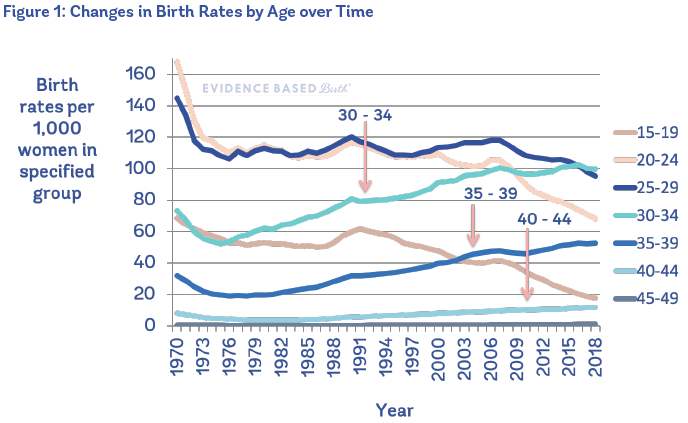
I wonder how much of the decline in the birthrate is a by-product of fewer unplanned pregnancies directly cause by decreasing fertility.
When you're trying to have a baby, and it takes 10 times to get there, it's not that big of an issue.
When one mistake ends in pregnancy vs. ten mistakes, it can make a considerable difference.
I doubt it is one thing. That is probably the single largest factor, but I wonder how large a role other factors play: the internet as social vehicle, male fertility, female fertility, social safety nets, average educational attainment, cultural factors, etc.
A 0.2% difference in birthrate makes a massive difference on the timescale of civilization, so it is a very interesting question to me.
Is the ubiquity of micro plastics actually evidence that they are pretty benign?
Microplastics are pretty much everywhere, but globally (apart from Covid-19) humans are living longer, healthier lives. Despite all the news, we have one of the lowest rates or crime/war/violence ever in recorded human history. We are making huge intellectual strides.
I don't think we really have very good evidence that we are being harmed in any significant degree by micro plastics.
If humans were at peak fitness, I think there would be more promise in this hypothesis.
But with the explosion of health issues like obesity and heart failure, confounded by everything from diet to endocrine disruption, it's hard to conclude that we should be leaving stones unturned.
Also, longevity is only one metric. End-to-end quality of life seems to be more revealing to me about the state of our health, not just how long medicine can prop us up despite our issues. For example, why are 26% of men under 40 suffering from erectile disfunction? Why are more people on medications for mental health? etc. To what extent does any part of the system, including microplastics, impact these issues?
This argument can apply to a lot of other known-to-be-dangerous substances: particulate matter from cars, VOCs, BPA… I don’t think we should stop caring about them?
We don't know the long term effects of these but it looks like their presence will be an inevitability. Given that nanoplastics will be able to cross cell membranes, it would be prudent to conduct more research into them.
Something I still can't wrap my head around: are microplastics like these big/visible? The definition of microplastic is plastic < 5mm in length, but how big are the ones people talk about in articles like these? Is the implication that they're floating in the air and we just don't see them because they're too small? Or are they actually large enough to be visible but we somehow still get them into our bodies somehow?
Take a glass of water and shine a light through it in a dark room. Look into it and you should see tiny white filaments that look like tiny hairs floating around. I think that's what they mean.
If that doesn't work, leave it for a few hours and check the top surface or bottom of the glass. You can also try with urine.
Also, if you leave it for a few days, these filaments may grow... that is beyond microplastics and moving into synthetic biology.
Isn't dust filtered out by the lungs? What happens if you drink dust? You'd have to look for similarities between a cup of water and a cup of urine. Also, I suppose one may check for biofilm in the urine.
The rate at which microplastics accumulation in the environment (and consequently in our bodies) keeps increasing without any sign of slowing down is the worrying bit
It's slowly happening. Several countries have started to issue bans like Canada and Australia in addition to the EU and recently China, although a lot of plastic pollution in the ocean is from fishing gear. The California Plastic Waste Reduction Regulations Initiative proposition qualified for the 2022 ballot, and SB 343 was recently passed. There's also a federal bill in the US, S.984, but that's unlikely to get past the Senate filibuster.
Just like gas as energy for transport, plastics are difficult to replace. Their main advantage is that they can package food and greatly improve their conservation and transport. This is also true for medical supplies.
A potential solution would be to use standardized glass packaging, and encourage consumers to return them and reimburse them, but it would be complex logistics, and it would be heavier to transport. It would also mean a change of shape for food packaging.
Even metal is not a perfect solution, since metal also has a plastic layer inside. To be honest, even the lid of glass bottles has a layer of plastic, too.
We make fun of the Romans for eating out of lead plates and slowly going crazy, and yet here we are surrounded by a substance that might cause cognitive impairment as well https://www.ncbi.nlm.nih.gov/pmc/articles/PMC7068600/
Very civilisation has its own poison. Romans were eating from lead plates, we used to use lead in car fuel that made us dumb (https://www.sciencedaily.com/releases/2022/03/220307162011.h...) and now this. If humanity survives we are going to be those crazy dumb people who used plastic.
It wasn't just car fuel, we would also cover the walls of our homes with lead paint. A practice that still continues in some countries.
> As of 31 May 2020, 75 countries have confirmed they have legally binding controls to limit the production, import and sale of lead paints, which is 39% of all countries. In many countries, using lead paint in homes and schools is not prohibited, creating a significant risk of children’s exposure to lead.
One has to wonder whether the individuals who insist on selling lead paint have any morality or sense of ethics.
We've known about the harmful effects of lead additives in paint since at least 1786 (efforts to ban lead paint began around 1921) before it's ban in 1976 (US).
The unimaginable number of people who have likely being afflicted by health issues (learning disabilities, poor health, shortened lifespan) through no fault of their own, knowingly by those who manufacture and sell the products creating such debilitating issues, it's difficult to imagine there being any possible forgiveness for such actions.
> One has to wonder whether the individuals who insist on selling lead paint have any morality or sense of ethics.
We've known about the harmful effects of lead additives in paint since at least 1786…it's difficult to imagine there being any possible forgiveness for such actions.
The list of companies doing exactly this is very, very long. You can still buy packets of deadly carcinogens at the corner store. We’re still belching vast amounts of carbon into the atmosphere. We’re manufacturing all sorts of molecules that have either proven or suspected harmful effects and distributing them liberally across the globe…it’s a pervasive facet of our capitalist system.
Is there any research on proven negative effects? This paper is only about "potential" negative effects. From the conclusion:
Following the intake of microplastics into the human body, their fate and effects are still controversial and not well known. [...] Not enough information is available to fully understand the implications of microplastics for human health;
The Romans knew about and documented the risks of asbestos, so don't be so sure.
They also knew about some of the risks of lead. Vitruvius (during Augustus) wrote that water through clay pipes is better and purer, and others comment about how the care you need to take when preparing food in leaden vessels.
I mean.... not just the Romans. We used Lead too. In pipes, in paint, in gasoline. Everyone was literally breathing it daily in all major cities until the mid 80s.
Technically everything does contain some level of danger. We just say that something isn't dangerous when it falls below some level (subjective or objective).
Have you tried a cursory Google search? I don't know if you refer specifically to the negative effects of microplastics in lungs or microplastic exposure in general, but a search for "microplastics human effects" will provide you with weeks of reading material if you'd like to be depressed.
Microplastics in general. Maybe my googling skills are failing me, but all I can find is about "potential" risks, "possible" harm and unquantified in vitro studies, nothing showing actual harm. Which leads me to believe that if so many people are looking so hard for so long, maybe there is nothing to find.
Is that surprising after two years of trusting in science that told us to breath through masks? Even environmental activists suddenly disappeared and was silence during covid. So much plastic waste from masks, vaccines, tests, bags for lunches from closed restaurants, etc... And suddenly there are microplasts everywhere.
You're being downvoted, but you're not wrong. Microscopic particles of whatever material masks are made of absolutely do flake off and end up in your lungs.
Is that why the planet is full of microplastic pollution? Not by a long shot. That'd mostly be due to snacks, water bottles, fishing nets, toothbrushes, flip flops, packaging of all kinds, beauty products, toothpaste...oy, the list is endless.
Sure, but the waste and plastic production significantly increased during covid. It was around 129 billion disposable masks used every month around the world, according to the American Chemical Society. I'm not sure if that number is lowering or not with totalitarian Chinese policy.
It's frustrating that N95/KN95 reuse wasn't a more common thing. There are ways to prep them for reuse (iirc there is a way using a conventional oven if you configure it just right) but I never saw much encouragement to do it, and I'm not about to try and DIY it without lots of confirmation that I'm doing it right.
Well the general argument here is not "masks are perfectly safe", it's "masks are far less likely to kill you than what they protect you from". Hospital workers wear them for hours and hours every day. Even if we pretend that covid doesn't cause death or long term complications, masks also protect you from the flu and the flu kills people every year too.
It's probably possible to create masks that don't shed particles, but they're much more expensive and that means we wouldn't be able to protect most people.
While I think you're bringing up a very good point, the article says that at least in this particular study
> Out of 13 lung samples, a staggering 11 contained microplastics, with the most common types being pieces of PET, used to make drinks bottles; polypropylene, used for plastic packaging and pipes; and resin, often used as an adhesive or sealant.
The rate at which microplastics saturation in the environment (and consequently our bodies) keeps increasing without any sign of slowing down is the worrying bit
Even if they are toxic and limit our lifespan, given we have adults raised in plastic rich environment for decades it’s not likely to end civilisation.
> Well despite being everywhere they at least seem to be mostly inert and don't really cause much issues as far as I'm aware?
A good bunch of them are known carcinogens (vinyl chloride), but generally, I'm on the same page as you: I'm not aware of any effects; no one does, and that's a problem - it's a species-wide natural experiment that has also extended to our food supply. If it turns out to be deleterious, we'd be fucked.
I think that's probably true, but I do think it's useful to continue testing that conclusion. For example, if we looked somewhere and didn't find microplastics, we could then start trying to figure out why.
I keep thinking about this, and I really wish it was that simple.
Maybe attacking it from the other angle, recycling and collection, might yield better results..
But people will always toss their junk food wrappers which blows into the creeks and etc, there's a huge need for a societal wide change and look at this stuff.
Serious? Maybe. Or not. I have titanium, steel, plastic, amalgum(sp), ceramic, graphite, and possibly glass inside my body. Pretty sure I got some asbestos, synthetic fibers, cotton and wool fibers, etc from various jobs. Plus plenty of smoke, washed with carcingenic solvents, inhaled quantities of dust...


> "Today, it is an issue of increasing scientific concern because these microparticles due to their small size are easily accessible to a wide range of aquatic organisms and ultimately transferred along food web. The chronic biological effects in marine organisms results due to accumulation of microplastics in their cells and tissues. The potential hazardous effects on humans by alternate ingestion of microparticles can cause alteration in chromosomes which lead to infertility, obesity, and cancer. (2018)"
You can get it at sci-hub_se just enter this title in the search box: "Microplastic pollution, a threat to marine ecosystem and human health: a short review"
For a broader discussion on the continuing issue of environmental toxins accumulating in human beings, more pop-sci:
https://www.nationalgeographic.com/science/article/chemicals...
> "Yet even though many health statistics have been improving over the past few decades, a few illnesses are rising mysteriously. From the early 1980s through the late 1990s, autism increased tenfold; from the early 1970s through the mid-1990s, one type of leukemia was up 62 percent, male birth defects doubled, and childhood brain cancer was up 40 percent. Some experts suspect a link to the man-made chemicals that pervade our food, water, and air. There's little firm evidence. But over the years, one chemical after another that was thought to be harmless turned out otherwise once the facts were in."
Note however that US academic institutions basically cut all research into these subjects due to political and industrial pressure. It started with Republican attacks on USGS funding for environmental pollution research in the early 1990s, and continued with NIH cutting funding for environmental carcinogen research in favor of inheritied genetic explanations for cancer. Hence, 'little firm evidence'.